

Which Types of Online Advertising Work Best for My Business?
Online advertising has become the essential solution for businesses struggling to get visibility, leads, and sales in today’s crowded digital space. If you’ve ever felt overwhelmed choosing where to promote, whether on search engines, social platforms, or marketplaces, you’re not alone.
Modern ad ecosystems span powerful networks like Google Ads and Microsoft Ads, social media giants under Meta, such as Facebook and Instagram, professional targeting through LinkedIn, viral reach via TikTok, and product-focused campaigns on Amazon.
Video and streaming placements on YouTube, Twitch, X, and even premium services like Netflix add further complexity. Industry research tools from SEMrush, website platforms, and success come from choosing the right channel, not just running ads everywhere.
Guidance influenced by regulators like the Federal Trade Commission and platform standards set by Google, understanding how online ads actually work can transform confusion into a clear strategy, and that’s exactly what this guide will help you achieve.
Beginner Clarity: What Online Advertising Actually Means?
Online advertising refers to promoting products, services, or brands through internet-based platforms that deliver ads to targeted audiences in real time.
Unlike traditional media, digital ads use data signals such as search intent, browsing behavior, location, and interests to show relevant messages to the right users at the right moment.
For example, search ads on Google Ads services appear when someone actively looks for a solution, while social promotions on Facebook or TikTok reach people based on demographic and behavioral targeting.
At its core, online advertising is built on automated auction systems in which advertisers bid for placement using pricing models such as cost-per-click or cost-per-impression. Platforms such as YouTube and Amazon extend this concept into video and shopping environments, allowing brands to connect with users across multiple digital touchpoints.
This interconnected ecosystem is governed by standards and transparency guidelines encouraged by authorities like the Federal Trade Commission and shaped by algorithmic relevance systems developed by Google.
The Current Market Value of Online Advertising
The online advertising market has exploded into a trillion-dollar powerhouse, reflecting its critical role in modern commerce.
Globally, total advertising spend is set to surpass $1 trillion for the first time in 2026, with digital channels claiming about 68.7% of that investment, growing at 6.7% year-over-year.
This wave is driven by the shift from traditional media to digital, where measurable results and scalability attract businesses of all sizes.
In the United States, the digital ad market is projected to reach $413.24 billion in 2026, fueled by a 9.5% overall ad spend growth, with sectors like social media and connected TV leading the charge.
Worldwide, this growth outpaces the global economy, highlighting how online advertising has become indispensable for reaching mass audiences amid economic uncertainties.
15 Top Online Advertising Channels Platforms Deliver the Best Results for Business Boost?
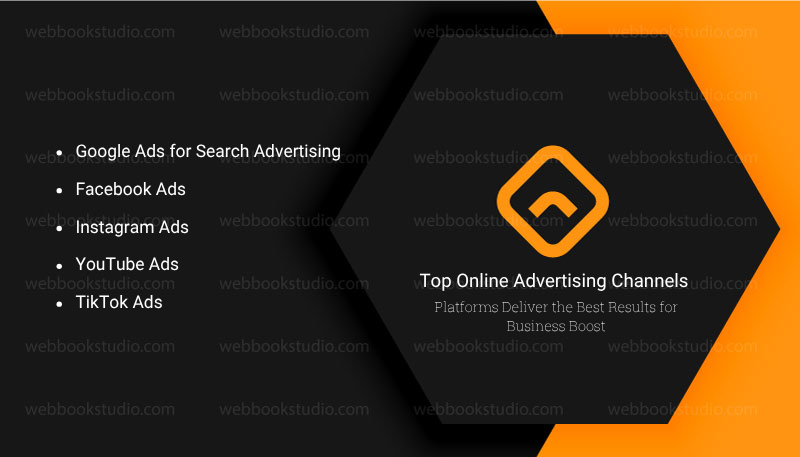
To achieve maximum reach, businesses must diversify across proven channels. Below are the best 15 digital advertising channels to boost your business, along with reasons for their effectiveness, real-world examples, and performance tips.
These are based on current trends favoring digital dominance, where channels like social and video advertising capture billions in spend due to their ability to target vast, engaged audiences.
1. Google Ads for Search Advertising
Google Ads dominates as a search-based channel, allowing businesses to bid on keywords and appear at the top of search results. Its reach is unmatched because over 90% of global internet searches happen on Google, ensuring ads meet users at the moment of intent.
This intent-driven approach yields higher conversion rates, and users searching for example “best web development services” are ready to buy, making every click valuable.
For example, a US-based e-commerce store like Zappos uses Google Ads to drive 40% of its traffic, resulting in millions in sales.
Tips for implementation: Getting professional Google campaign management, start with keyword research using Google’s tools, and services like certified agencies can manage bids for optimal ROI.
2. Facebook Ads
With over 3 billion users worldwide, Facebook Ads offer granular targeting by demographics, interests, and behaviors. The reason for its power lies in social proof ads that blend into feeds, leveraging user interactions for organic amplification.
In 2026, AI enhancements make it unique by predicting user engagement, boosting reach without extra spend. Brands like Coca-Cola have run global campaigns here, achieving billions of impressions through shareable content. For services, hire a social media manager to A/B test creative tools like Facebook’s pixel track conversions effectively.
3. Instagram Ads
Instagram’s visual focus makes it ideal for lifestyle brands, reaching 2 billion users through stories, reels, and posts. Its uniqueness in 2026 stems from shoppable features, turning browses into buys seamlessly.
Instagram Ads, with high engagement rates up to 1.5% higher than other platforms, come from overwhelming content that holds attention longer. Fashion retailer H&M exemplifies this, using influencer-style ads to generate 20% sales uplift.
Implementation tip: Use Instagram Insights for audience analysis; outsource to designers for eye-catching visuals.
4. YouTube Ads
As the second-largest search engine, YouTube Ads tap into video’s dominance, with users watching over a billion hours daily. The video conveys emotion and detail better than static ads, increasing recall by 70%.
In 2026, AI-driven targeting refines audiences, making it unique for long-form storytelling. Red Bull’s extreme sports videos have amassed millions of views via ads, building brand loyalty.
Services implementation: Include video production firms and start with skippable ads to test budgets.
5. TikTok Ads
TikTok’s algorithm-driven feed propels ads to viral status, reaching 1.5 billion users, especially Gen Z. TikTok Ads, its short-form format matches shrinking attention spans, with engagement rates soaring due to trends.
Uniqueness in 2026 AR filters integrates ads interactively, enhancing fun and shareability. Chipotle’s hashtag challenges have driven user-generated content, expanding reach organically.
For Implementation: Partnering with creators or agencies can handle trend monitoring.
6. LinkedIn Ads
Targeted at professionals, LinkedIn Ads reach 1 billion users for B2B marketing. The reason for precise job-title targeting ensures ads hit decision-makers, yielding 2-3x higher leads than consumer platforms.
In 2026, its AI for lead gen makes it stand out by automating nurturing. Microsoft uses it for software promotions, converting views to demos.
Best Services: Content strategists for thought-leadership posts use sponsored content for maximum impact.
7. X (formerly Twitter) Ads
X Ads excel in real-time conversations, with 500 million users for timely promotions. This platform, hashtags, and trends amplify reach exponentially through retweets. Unique in 2026 integration with live events and AI sentiment analysis for responsive campaigns. Brands like Wendy’s witty ads have gone viral, boosting followers by thousands. Implementation: Monitor trends with tools and hire copywriters for concise messaging.
8. Programmatic Display Advertising
This automated buying places ads across millions of sites via networks like Google Display. Its real-time bidding optimizes costs, reaching 90% of internet users efficiently. In 2026, privacy-focused retargeting will make it unique by using first-party data ethically. Airbnb retargets browsers with personalized banners, increasing bookings.
Getting Services: DSP platforms like The Trade Desk and agencies manage auctions.
9. Native Advertising
Native ads blend seamlessly into content on sites like BuzzFeed, avoiding banner blindness. Their higher trust leads to 53% more views than traditional ads. Unique in 2026: AI crafts contextually relevant stories. The New York Times’ sponsored posts for brands like IBM educate while selling.
Tip for Native Advertising: Collaborate with publishers and content agencies ensure authenticity.
10. Email Advertising
Email reaches inboxes directly, with open rates up to 20% for segmented lists. Because it’s cost-effective with a $42 ROI per dollar spent. In 2026, automation personalizes at scale via AI. Amazon’s promotional emails drive repeat purchases.
Get Services: Platforms like Mailchimp consultants build lists compliantly.
11. Influencer Marketing
Partnering with influencers extends reach through trusted voices on social platforms. Influencer Marketing can boost authenticity and credibility, with 61% of consumers trusting recommendations. Unique in 2026 Micro-influencers for niche targeting. Dove’s body-positive campaigns with diverse influencers have inspired millions. Implementation tips: Use platforms like Aspire, and agencies vet partnerships.
12. Affiliate Marketing
Affiliates promote products for commissions, expanding reach via networks like Amazon Associates. Affiliate marketing, performance-based pay minimizes risk. In 2026, AI tracks conversions accurately. Shopify stores leverage it for global sales. Nishe services tips for affiliate marketing: Affiliate software; recruit through CJ Affiliate.
13. Connected TV (CTV) Advertising
CTV ads on streaming services like Hulu reach cord-cutters. Because of TV-like impact with digital targeting, growing 13.8% in the US. Unique in 2026 shoppable formats. Netflix’s ad tier tests have engaged viewers.
Tip for CTV ads: Use Roku for placement, and video producers create spots.
14. Retail Media Networks
Platforms like Amazon Ads target shoppers in-store digitally. Their high intent at the purchase point drives conversions. In 2026, 14.1% growth due to data richness. Walmart’s network boosts product visibility. Best online advertising services with optimized listings agencies handle bids.
15. Mobile In-App Advertising
Ads in apps like games reach 3 billion mobile users. Smartphone In-App Advertising Location-based targeting for relevance. In 2026, AR integrations. Candy Crush ads for brands like McDonald’s entertain while promoting.
Implementation: Use AdMob developers integrate seamlessly.
How to Choose the Right Advertising Channel?
Choosing the right online advertising channel isn’t about picking the most popular social media marketing platform. It’s about matching your goal, audience, and budget to the channel designed to deliver that outcome.
Many businesses waste money because they start with the wrong platform. Instead of asking “Where should I advertise?” the smarter question is “What result do I need, and which channel is built for that?”
Here’s the Decision Stage to quickly compare goals, audiences, and platforms:
| Step | Factor | Details | Recommended Platforms |
| Step 1 | Define Your Primary Goal | Match your campaign to the outcome you want. |
|
| Step 2 | Understand Audience Location | Place ads where your target audience already spends time. |
|
| Step 3 | Match Budget to Platform Behavior | Allocate budget based on ad type and expected costs. |
|
| Step 4 | Evaluate Competition Level | Consider cost and competition in your industry. |
|
| Step 5 | Quick Decision Framework | Simple rule for fast platform selection. |
|
Common Online Advertising Mistakes
Online advertising can deliver huge results, but businesses often fall into predictable traps that waste budget and reduce ROI. Recognizing these mistakes early is critical to turning campaigns into measurable growth.
| Mistake | What Happens | Platform / Entity Examples | Solution / Fix |
| Targeting Too Broadly | Ads reach irrelevant users, have low engagement, and waste impressions | Facebook, Instagram | Segment audience by demographics, interests, and behaviors |
| Ignoring Analytics | Cannot measure ROI or optimize campaigns | SEMrush, Google Ads | Track CTR, conversions, and ROI using dashboards and analytics tools |
| Weak Creatives | Low engagement and click-through rates | YouTube, TikTok ads, display banners | Use high-quality visuals and copy that resonates with the audience |
| Choosing the Wrong Platform | Audience isn’t reached, poor results | Professionals – LinkedIn, Young audiences – TikTok | Match platforms to target audience behavior and preferences |
| Overspending Without Testing | Budgets are drained without knowing what works | All platforms | Launch small test campaigns to identify best-performing ads, channels, and bidding strategies |
Understanding this foundation is crucial because once you grasp that online advertising is not just ads, but a data-driven targeting system, you can start choosing platforms strategically instead of guessing where to spend your budget.
Step-by-Step Starter Action Plan: Online Advertising Channels for Maximum Reach.
Turning online advertising from theory into results requires a structured approach. Following a clear, step-by-step plan helps businesses avoid costly mistakes and make every ad dollar count. Here’s a practical roadmap to get started:
| Step | Action | Platform / Entity Examples | Key Tips |
| 1. Define Your Goal | Decide whether the campaign focuses on awareness, leads, or sales | Brand Awareness: Facebook, Instagram, YouTube Lead Generation: LinkedIn Direct Sales: Google Ads, Amazon | Clearly define KPIs before spending any budget |
| 2. Choose the Right Platform | Match channels to your target audience | Younger consumers: TikTok Broad reach: Facebook Professionals: LinkedIn | Focus on where your audience already spends time |
| 3. Set Budget & Bidding | Determine daily or campaign-level spend and bid type | CPC / CPA: Google Ads Social CPM / CPC: Facebook, Instagram | Start small; test before scaling |
| 4. Create Compelling Ads | Develop visuals, copy, and calls-to-action | Video: YouTube, Twitch Social: Instagram, TikTok | Use audience-relevant messaging and strong creative elements |
| 5. Track & Analyze Performance | Measure campaign effectiveness with metrics | Analytics: SEMrush, built-in dashboards in Google Ads | Monitor CTR, conversions, CPC, and ROI regularly |
| 6. Optimize & Scale | Refine targeting, creative, and budget allocation | All platforms | Focus budget on top-performing channels, test new variations, and iterate continuously |
Online Advertising: Best Platforms by Business Type Maximize Reach
Different businesses achieve the best results by using platforms tailored to their audience, goals, and industry. The table below helps marketers quickly identify which online advertising channels are most effective for their specific business type.
| Business Type | Recommended Channel | Platform / Entity Examples | Why It Works |
| Local Business | Search Ads | Google Ads, Microsoft Ads | Captures high-intent local search traffic |
| E-commerce / Retail | Marketplace Ads | Amazon, Google Ads | Reaches shoppers ready to purchase products |
| B2B / Professional Services | Professional Network Ads | Targets decision-makers by job title, industry, or company | |
| Brand Awareness / Consumer Engagement | Social & Video Ads | Facebook, Instagram, YouTube, TikTok | Builds audience recognition, engagement, and retargeting opportunities |
| Creators / Entertainment | Video & Streaming Ads | YouTube, Twitch, Netflix | Engages audiences with immersive content, ideal for sponsorships and brand partnerships |
This means more relevant ads in everyday digital interactions, from social feeds to search results, creating a symbiotic relationship where consumers benefit from personalized offers while businesses expand their reach efficiently.
Most relevant article: The future of Facebook and social media
Conclusion: From Confusion to Scalable Growth
Online advertising is no longer optional for businesses that want to grow in the digital era, and it’s essential. From search and social media platforms to marketplaces and video streaming networks, the right channel can turn budget into measurable results.
Platforms like Google Ads, Facebook, Instagram, LinkedIn, Amazon, and YouTube provide businesses of all sizes the ability to reach highly targeted audiences, optimize campaigns in real time, and scale efficiently.
Understanding the core types of online advertising, avoiding common mistakes, and following a structured starter plan, you can maximize ROI while minimizing wasted spend.
If your goal is brand awareness, lead generation, or direct sales, careful platform selection, compelling creatives, and performance tracking are the keys to success.
The most important takeaway with start small, test, and refine. Online advertising is a data-driven growth engine. When executed correctly, it transforms marketing confusion into predictable, scalable growth.
FAQs: Which Online Advertising Platforms Deliver the Best Results?
1. What is the best online advertising platform?
The best platform depends on your goal and audience. For high-intent search traffic, Google Ads and Microsoft Ads are top choices. For brand awareness and social engagement, platforms under Meta, such as Facebook and Instagram, perform well. B2B advertisers often see better results on LinkedIn.
2. What is the cheapest online advertising platform?
Cost varies by audience, industry, and competition. Secondary search networks like Microsoft Ads or social platforms such as TikTok may offer lower cost-per-click (CPC) campaigns, especially for smaller budgets.
3. How do I start online advertising?
Start by defining your goal (awareness, leads, sales), selecting the right platform, creating compelling ads, and setting a budget. Track results using analytics dashboards like SEMrush or built-in tools from Google Ads, then optimize based on performance metrics like CTR, conversion rate, and ROI.
4. What are the main types of online advertising?
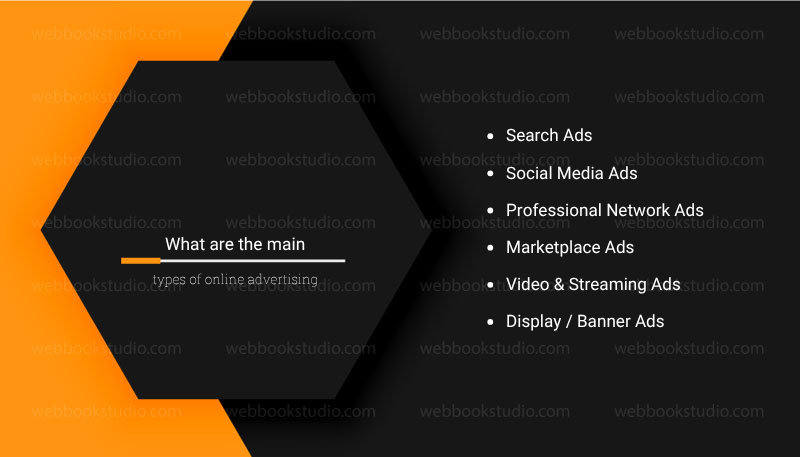
The main types include:
- Search Ads: Google Ads, Microsoft Ads
- Social Media Ads: Facebook, Instagram, TikTok
- Professional Network Ads: LinkedIn
- Marketplace Ads: Amazon, Walmart, eBay,
- Video & Streaming Ads: YouTube, Twitch, Netflix
- Display / Banner Ads: Across websites and apps.
5. How much does online advertising cost?
Costs vary widely by platform, industry, and audience targeting. Search campaigns on Google Ads can range from $1–$5 per click in many industries, while social campaigns may cost less per engagement but require creative development. Marketplaces like Amazon often charge per click or per sale.
6. How can small businesses maximize online ad ROI?
- Start with small, test campaigns on platforms like Google Ads or Facebook
- Segment your audience carefully
- Optimize creatives for relevance
- Track performance using SEMrush or platform dashboards
- Scale only after identifying high-performing channels